Von Dr. Hermann Meyer · LeadersForum Advisory & Coaching
By Dr. Hermann Meyer · LeadersForum Advisory & Coaching
Die meisten Konflikte eskalieren nicht wegen des Themas. Sie eskalieren, weil zwei Menschen aufhören, einander zuzuhören. Ich habe das selbst erlebt. Genauer gesagt: selbst verursacht.
Most conflicts do not escalate because of the subject. They escalate because two people stop listening to each other. I have experienced this myself. More precisely: I have caused it myself.
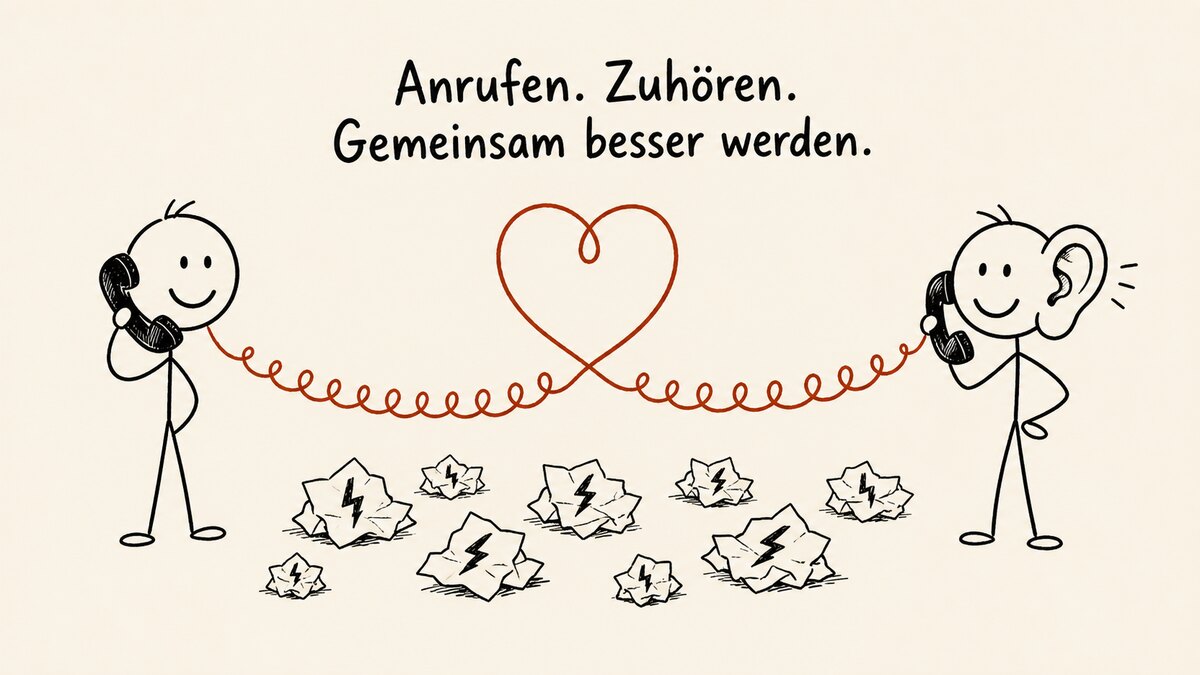
Während meiner Zeit beim World Business Council for Sustainable Development leitete ich den Workstream „Fahrzeugtechnologie 2030“. Wir arbeiteten an einem Positionspapier der Gruppe, viele Beteiligte, viele Interessen. Ein Kollege aus Asien meldete einen Einwand an. Sachlich betrachtet war es eine Randnotiz. Ich hätte sie annehmen können, das Papier anpassen, fertig. Stattdessen hielt ich dagegen. Argumentativ, höflich, bestimmt. Er antwortete. Ich antwortete schärfer. Aus Anmerkungen wurden Positionen, aus Positionen wurden Fronten, und das alles per E-Mail, dem denkbar schlechtesten Medium für so etwas. Dann sagte ein Kollege einen einzigen Satz zu mir: Ruf ihn doch einfach an.
Ich rief an. Und schon nach wenigen Minuten geschah etwas Merkwürdiges. Der Konflikt, der in meinen E-Mails so groß aussah, wurde am Telefon klein. Ich hörte zu, diesmal wirklich. Ich begann zu verstehen, worum es meinem Kollegen ging und warum ihm dieser Punkt wichtig war. Aus dem Schlagabtausch wurde ein Austausch, echt, positiv, wertschätzend. Am Ende haben wir das Positionspapier gemeinsam inhaltlich verbessert. Es wurde besser, als mein ursprünglicher Text es war. Und besser, als sein Einwand allein es gemacht hätte.
Was da eigentlich geschah
Im Rückblick ist mir klar: Der Konflikt handelte nie von der Sache. Eine Randnotiz kann niemanden ernsthaft bedrohen. Es ging um etwas anderes. Um mein Papier, meinen Entwurf, mein Rechthaben. Der Einwand konnte mich treffen, weil ich mich mit meinem Text verwechselt hatte. Dazu kam das Medium. E-Mails kennen keinen Tonfall, kein Zögern, kein Einlenken im Nebensatz. Jede Nachricht fror den Stand des Konflikts ein und verlangte nach einer etwas härteren Antwort. Und schließlich die kulturelle Ebene: Mein Kollege und ich hatten unterschiedliche Prägungen, was Direktheit bedeutet und wie man Einwände vorträgt. Schriftlich verstärken sich solche Unterschiede. Im Gespräch schrumpfen sie.
Konflikt ist Information
Seit ich systemisch auf Organisationen schaue, lese ich Konflikte anders. Ein Konflikt ist selten eine Störung des Systems. Er ist eine Auskunft über das System. Er zeigt, wo etwas jemandem wirklich wichtig ist. Wo Rollen unklar sind. Wo Interessen nie ausgesprochen wurden und sich nun ein anderes Ventil suchen. Deshalb misstraue ich Teams, in denen es nie kracht. Sie sind selten friedlich. Meistens sind sie nur still geworden, und die Konflikte werden woanders ausgetragen: in Fluren, in Andeutungen, in innerer Kündigung. Eine Führungskraft, die Konflikte unterdrückt, verliert nicht den Streit. Sie verliert die Information.
Der Wendepunkt heißt Zuhören
Der Anruf hat den Konflikt nicht einfach gelöst. Er hat etwas Wichtigeres getan: Er hat aus zwei Positionen wieder zwei Menschen gemacht. Aktives Zuhören klingt nach Seminarraum, ist im Kern aber schlicht. Verstehen wollen, bevor man verstanden werden will. Eine ehrliche Frage stellen und die Antwort aushalten, ohne im Kopf schon die Erwiderung zu bauen. Am Telefon hörte ich zum ersten Mal, was in keiner E-Mail stand: seine Begründung, seinen Kontext, seinen Anspruch an das Papier. Ich musste ihm nicht in allem zustimmen. Aber ich verstand, wofür er stritt. Das veränderte alles.
Drei Schritte, die sich bewährt haben
Erstens: das Medium wechseln. Spätestens nach der zweiten kontroversen E-Mail anrufen oder hingehen. Konflikte wachsen schriftlich und schrumpfen im Gespräch. Zweitens: vor jeder Verteidigung eine Frage. Was genau ist Ihnen an diesem Punkt wichtig? Wer fragt, gewinnt Zeit, Information und einen anderen Ton. Drittens: das Gemeinsame benennen. Fast immer schützt der andere etwas, das auch mir wichtig sein könnte. Qualität. Fairness. Wirkung. Wer das ausspricht, verwandelt die Front in eine gemeinsame Aufgabe.
Konflikte in Stärke verwandeln heißt nicht, sie zu gewinnen. Es heißt, sie zu nutzen: für ein besseres Ergebnis und für eine belastbarere Beziehung. Mein Kollege und ich haben nach diesem Telefonat besser zusammengearbeitet als je zuvor. Der Konflikt war kein Riss in der Beziehung. Er war, im Rückblick, ihr eigentlicher Anfang. Aufgeben musste ich dafür nur eines: das Rechthaben. Innere Führung zeigt sich selten deutlicher als in dem Moment, in dem man zum Hörer greift.
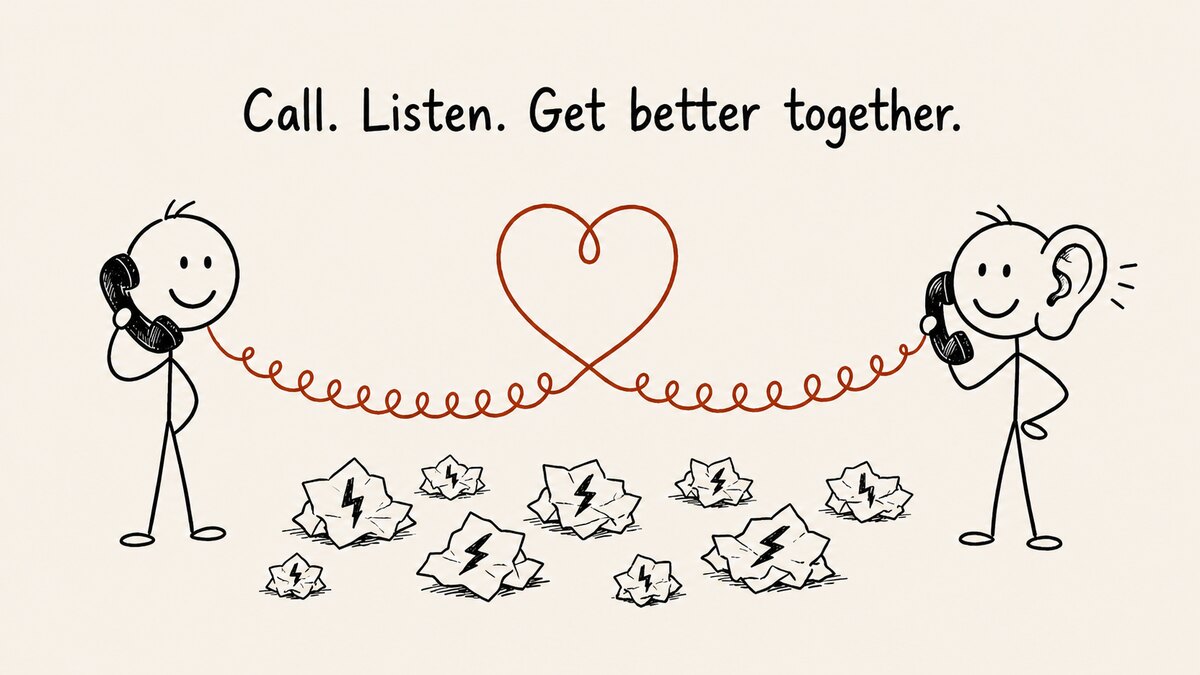
During my time at the World Business Council for Sustainable Development I led the workstream “Vehicle Technology 2030”. We were working on a position paper for the group, many parties, many interests. A colleague from Asia raised an objection. On the substance it was a footnote. I could have accepted it, adjusted the paper, done. Instead I pushed back. Reasoned, polite, firm. He replied. I replied more sharply. Comments turned into positions, positions turned into fronts, and all of it by email, the worst conceivable medium for such things. Then a colleague said a single sentence to me: Why not just call him.
I called. And within a few minutes something strange happened. The conflict that had looked so large in my emails became small on the phone. I listened, this time truly. I began to understand what my colleague was concerned about and why this point mattered to him. The exchange of blows became an exchange of thoughts, genuine, positive, appreciative. In the end we improved the position paper together. It became better than my original text had been. And better than his objection alone would have made it.
What was really going on
Looking back, it is clear to me: the conflict was never about the substance. A footnote threatens nobody. It was about something else. About my paper, my draft, my being right. The objection could wound me because I had confused myself with my text. Then there was the medium. Emails have no tone of voice, no hesitation, no conciliatory aside. Every message froze the state of the conflict and demanded a slightly harder reply. And finally the cultural layer: my colleague and I had different imprints of what directness means and how objections are raised. In writing, such differences amplify. In conversation, they shrink.
Conflict is information
Since I began looking at organisations systemically, I read conflicts differently. A conflict is rarely a disturbance of the system. It is a disclosure about the system. It shows where something truly matters to someone. Where roles are unclear. Where interests were never spoken aloud and are now seeking another valve. That is why I distrust teams in which there is never a clash. They are rarely at peace. Mostly they have merely gone quiet, and the conflicts are carried out elsewhere: in corridors, in insinuations, in inner resignation. A leader who suppresses conflict does not lose the argument. She loses the information.
The turning point is listening
The call did not simply resolve the conflict. It did something more important: it turned two positions back into two people. Active listening sounds like a seminar room, but at its core it is plain. Wanting to understand before wanting to be understood. Asking an honest question and bearing the answer, without already building the rebuttal in your head. On the phone I heard, for the first time, what no email had contained: his reasoning, his context, his standard for the paper. I did not have to agree with everything. But I understood what he was fighting for. That changed everything.
Three moves that have proven themselves
First: change the medium. After the second controversial email at the latest, call or walk over. Conflicts grow in writing and shrink in conversation. Second: a question before any defence. What exactly matters to you about this point? Whoever asks gains time, information and a different tone. Third: name the common ground. Almost always the other person is protecting something that could matter to me as well. Quality. Fairness. Impact. Saying this out loud turns a front line into a shared task.
Turning conflict into strength does not mean winning it. It means using it: for a better outcome and for a more resilient relationship. My colleague and I worked together better after that phone call than ever before. The conflict was not a crack in the relationship. In hindsight, it was its true beginning. I had to give up only one thing: being right. Inner leadership rarely shows itself more clearly than in the moment you pick up the phone.